
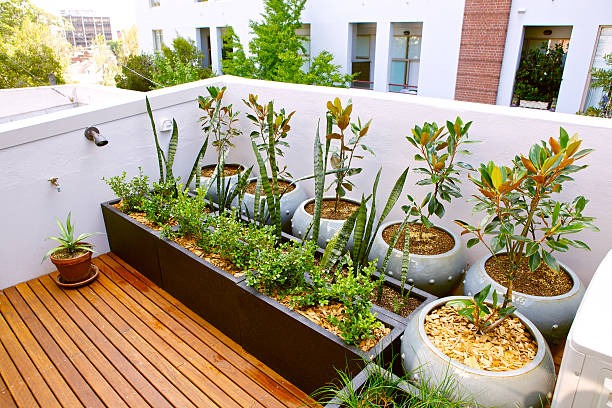

Recently, I stumbled upon an insightful guide to pruning clematis that inspired me to dive deeper into this essential gardening practice. While the article provided a comprehensive overview, I felt compelled to explore this topic further from my own perspective. Pruning is more than just a gardening task; it’s an art form that nurtures growth and beauty, and I wanted to share my personal take on it.
Understanding the Need for Pruning
Pruning is as much about maintaining plant health as it is about aesthetics. With clematis, spirea, and succulents, the art of pruning varies significantly, but the core principle remains the same: to encourage robust growth. I find that understanding the specific needs of each plant is crucial. For instance, clematis pruning can be tricky due to the plant’s different blooming cycles. Proper timing and technique can make all the difference in ensuring a breathtaking display of flowers.
Pruning Clematis: Timing is Everything
Clematis, with its enchanting blooms, demands a thoughtful approach to pruning. The key to successful clematis pruning lies in knowing the variety you have and its blooming season. Early-flowering clematis should be pruned right after they bloom in spring. This simple adjustment in timing can significantly impact the plant’s flowering potential. From my experience, a well-pruned clematis not only looks healthy but also rewards you with an abundance of flowers year after year.
Spirea Pruning: Aesthetic and Health Benefits
When it comes to pruning spirea, the benefits are twofold. Not only does it enhance the plant’s natural shape, but it also promotes healthier growth. I’ve found that spirea pruning is best done in late winter or early spring before new growth starts. Removing old, woody stems allows fresh, vibrant shoots to emerge, resulting in a more lush and appealing shrub. Regular pruning also helps in preventing the plant from becoming too dense, which can reduce airflow and lead to disease.
Pruning Succulents: Less is More
Succulents are unique in their needs, and pruning succulents requires a gentle touch. Unlike other plants, succulents thrive with minimal intervention. I’ve learned that the key is to prune only when necessary, usually to remove dead leaves or stems. This minimalistic approach allows the plant to maintain its natural shape and health. Over-pruning can stress succulents, so I prefer to let them grow freely, stepping in only when absolutely necessary.
My Personal Takeaway
Pruning is a rewarding endeavor that connects us with our plants on a deeper level. It requires patience, observation, and a willingness to learn from the plants themselves. Through trial and error, I’ve discovered that each pruning session is an opportunity to foster a more intimate understanding of my garden. Whether it’s the delicate timing of clematis pruning, the dual benefits of spirea pruning, or the minimalist approach to succulents, each plant teaches us something unique about growth and care. Ultimately, pruning is not just about cutting away the old to make way for the new; it’s about nurturing life in its most beautiful form.